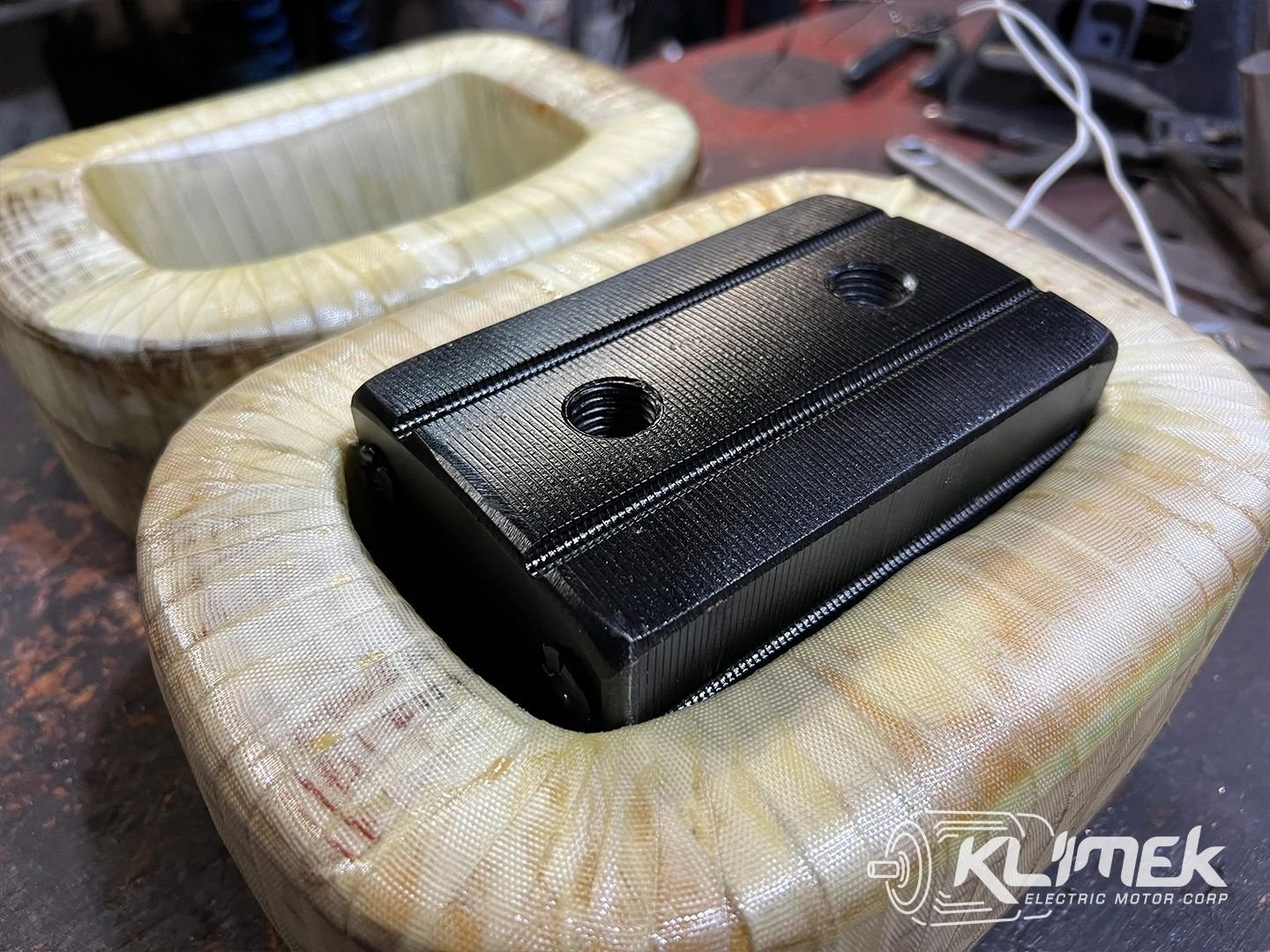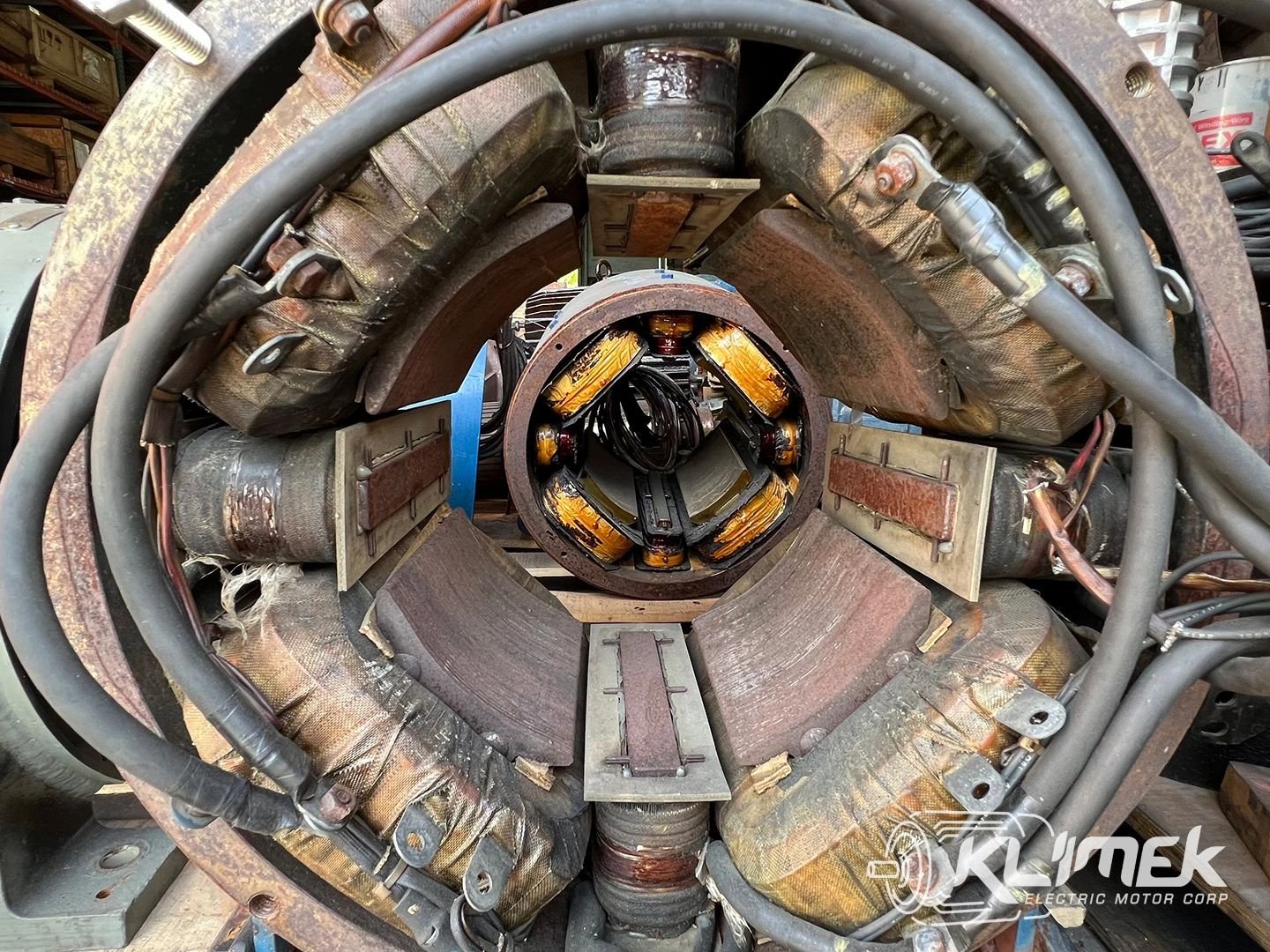
Field coils are critical components in DC motors and generators, providing the magnetic field necessary for these machines' operation. However, like all components, field coils are subject to wear and tear over time, leading to potential failures that can disrupt the operation of DC motors and generators. In this article, we will explore the common reasons for field coil failure in DC motors and generators and discuss the importance of maintenance to mitigate these issues.
Overheating:
One of the primary reasons for field coil failure is overheating. Excessive heat can cause insulation breakdown and damage to the coil windings.
Overheating can occur due to prolonged high current flow, improper cooling, or inadequate ventilation in the motor or generator.
Electrical Overload:
Field coils are designed to handle specific current levels within their rated capacity. Exceeding these current limits can lead to overheating and eventual coil failure.
Sudden electrical surges, faults in the electrical system, or overloading the machine can stress the field coils beyond their capabilities.
Vibration and Mechanical Stress:
DC motors and generators often operate in environments with vibrations and mechanical stresses. Prolonged exposure to such conditions can lead to physical damage to the field coil.
Vibrations can cause the coil windings to rub against each other, resulting in insulation wear and, eventually, short circuits.
Corrosion and Moisture:
Exposure to moisture and corrosive environments can weaken the structural integrity of field coils and lead to electrical leakage.
Moisture can penetrate the coil's insulation, causing it to deteriorate over time, which can result in short circuits and failure.
Age and Wear:
Field coils have a finite lifespan, and with time, the insulation and windings can deteriorate. This aging process can lead to decreased performance and eventual failure.
In older DC motors and generators, it becomes crucial to monitor the condition of the field coils and consider replacement as part of regular maintenance.
Contamination:
Contaminants such as dust, dirt, and oil can accumulate on the surface of field coils. These contaminants can act as insulators, trapping heat and leading to overheating.
Maintaining a clean operating environment and regular cleaning of the coils can help prevent this type of failure.
Preventing Field Coil Failure in DC Motors and Generators:
Regular Maintenance:
Scheduled maintenance and inspection are vital to identify potential issues before they lead to coil failure. Routine checks can help detect signs of overheating, corrosion, or wear.
Proper Cooling and Ventilation:
Ensuring that DC motors and generators are adequately cooled and ventilated can help dissipate heat and extend the life of field coils.
Monitoring:
Implementing monitoring systems that track temperature, current, and voltage can provide early warnings of impending problems, allowing for timely intervention.
Quality Assurance:
When replacing or installing new field coils, using high-quality materials and workmanship is essential for long-term reliability.
Field coil failure is a common issue in DC motors and generators, and it can result from various factors, including overheating, electrical overload, mechanical stress, corrosion, age, and contamination. Proper maintenance practices, adherence to operating guidelines, and vigilance in monitoring can significantly reduce the risk of field coil failures. By addressing these common causes of failure, industries can minimize downtime, reduce repair costs, and prolong the lifespan of their DC motors and generators, ensuring reliable and efficient operation.