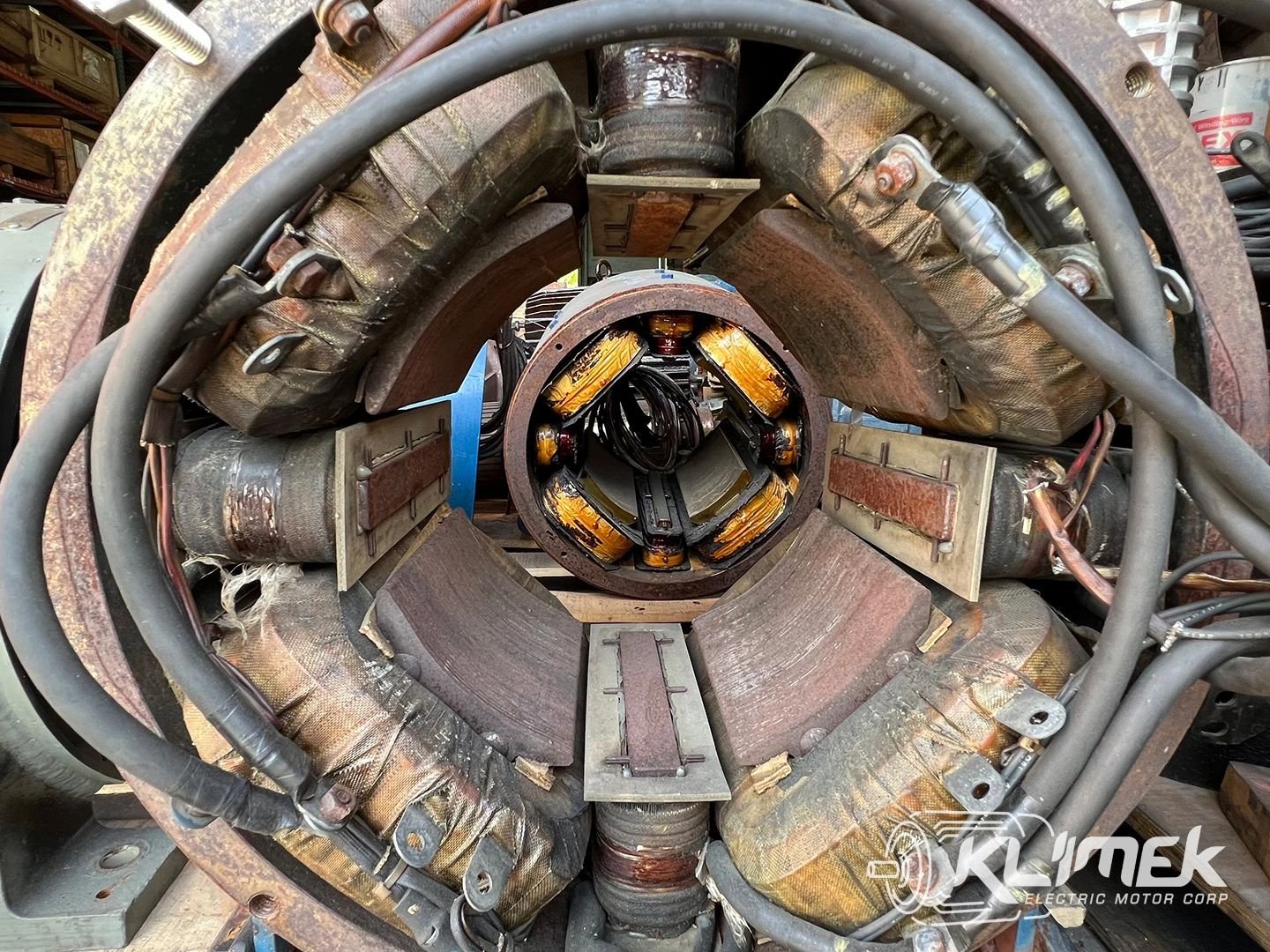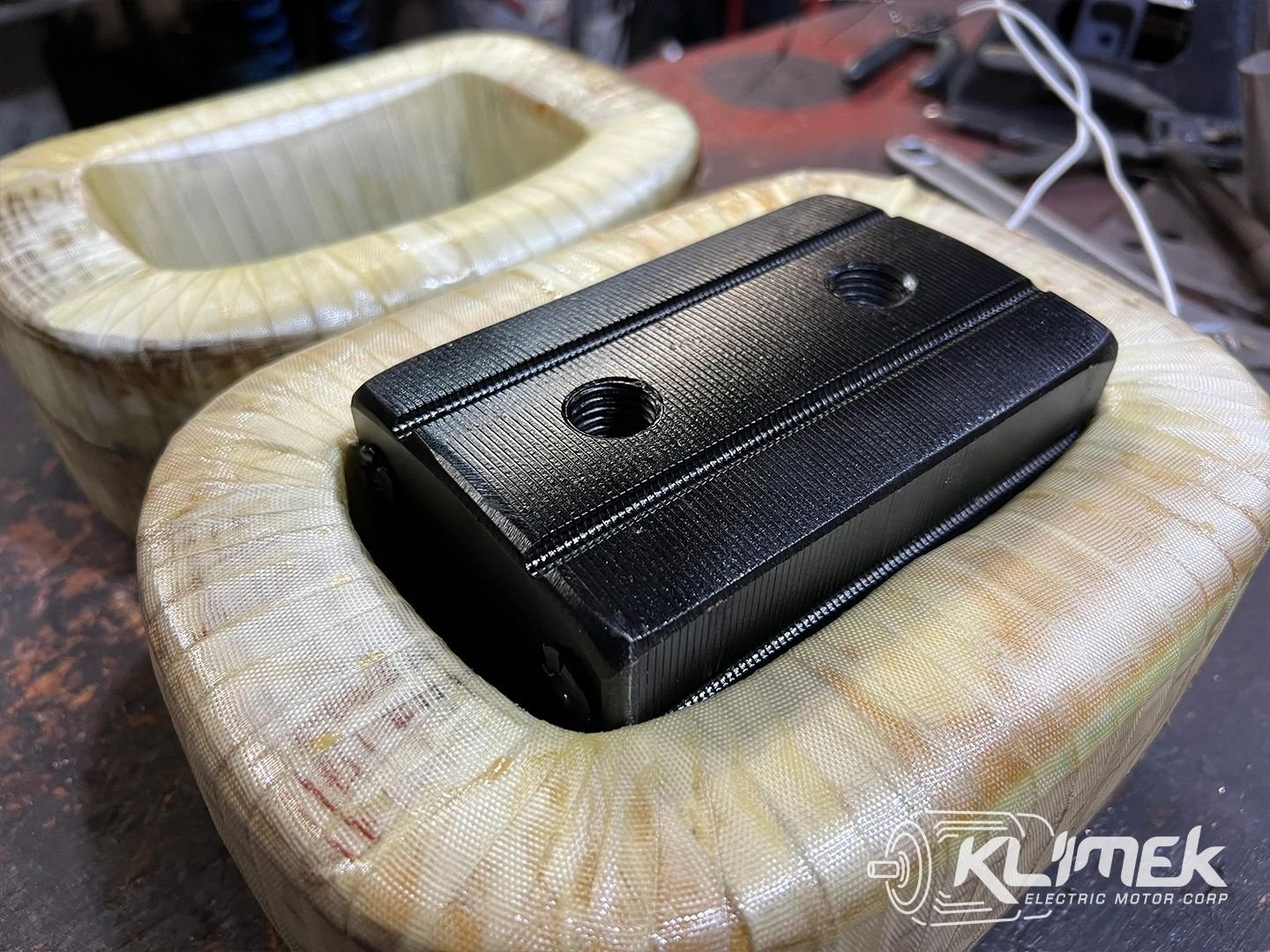
In DC (direct current) motors and generators, a magnetic field coil is a crucial component that generates the magnetic field necessary for the operation of the device. These coils are also referred to as field windings or armature windings, depending on their specific function in the motor or generator.
DC Motors:
In a DC motor, the magnetic field coil is typically part of the stator (stationary component). It creates a fixed magnetic field within which the armature (rotating component) operates.
When a current flows through the magnetic field coil, it generates a magnetic field. The polarity of this field can be either North or South, depending on the direction of current flow.
The interaction between the magnetic field created by the coil and the magnetic field of the armature (which may be created by permanent magnets or another set of field coils) generates a force that causes the armature to rotate.
By controlling the direction and magnitude of the current through the field coil, the speed and direction of the motor can be controlled.
DC Generators:
In a DC generator (also known as a dynamo), the magnetic field coil is typically part of the stator as well.
As the armature rotates within the magnetic field generated by the field coil, it cuts through the magnetic field lines, inducing an electromotive force (EMF) or voltage across its terminals.
This induced voltage represents the electrical output of the generator, and it is typically converted to a DC current using a commutator and brushes.
In both DC motors and generators, the strength of the magnetic field generated by the field coil and the control of this field's polarity are critical factors that influence the performance of the device. By adjusting the current through the field coil, it is possible to control the speed, torque, and direction of rotation in a DC motor. In a DC generator, controlling the field current helps regulate the output voltage.
Overall, the magnetic field coil is essential for the functioning of DC motors and generators, allowing them to convert electrical energy into mechanical energy (in motors) or mechanical energy into electrical energy (in generators).