DC generators are essential electrical machines used to convert mechanical energy into direct current electricity. These generators rely on a magnetic field, typically produced by field coils, to generate electricity. Over time, these field coils can deteriorate due to wear and tear, leading to reduced generator efficiency. When this happens, a process called "field coil rewind" becomes necessary. In this article, we will explore the field coil rewind process in DC generators and its importance in maintaining the functionality of these vital machines.
The Need for Field Coil Rewind
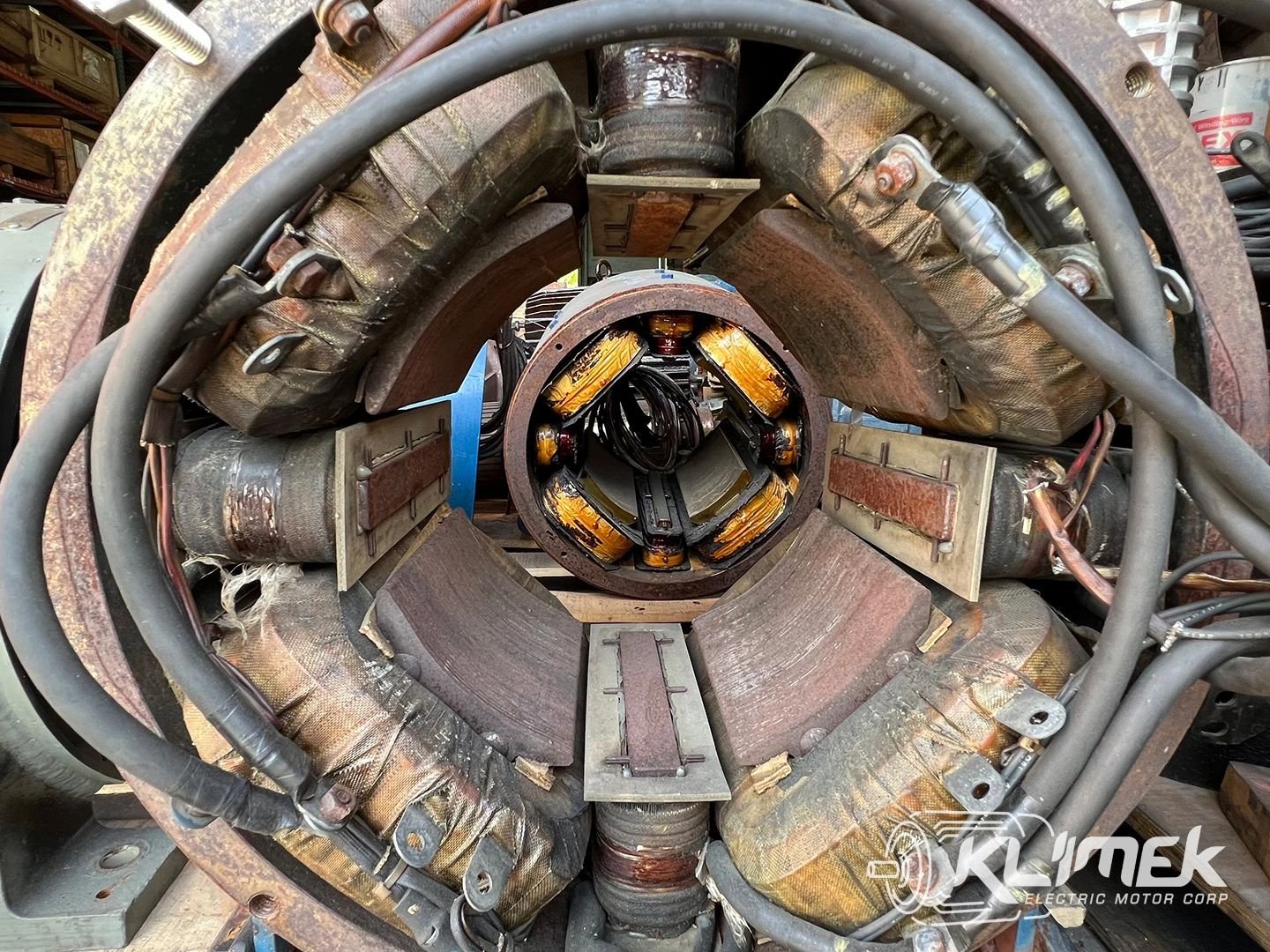
Field coils in DC generators are subjected to various stresses, including electrical load, mechanical vibrations, and environmental factors. As a result, the insulation on the coil windings may degrade, and the coils may develop shorts or other faults. When these issues arise, the generator's performance is compromised, leading to reduced output and potential damage to other components.
Field Coil Rewind Process
Disassembly:
The first step in the field coil rewind process is to disassemble the DC generator to access the field coils. This typically involves removing the generator's armature and any components that obstruct access to the coils.
Coil Removal:
Once access is gained, the damaged field coils are carefully removed from their mounting positions within the generator's stator.
Coil Inspection:
The removed field coils are thoroughly inspected for damage, such as insulation deterioration, broken windings, or shorts. This inspection helps determine whether the coils can be repaired or if they need to be replaced.
Rebuilding or Replacement:
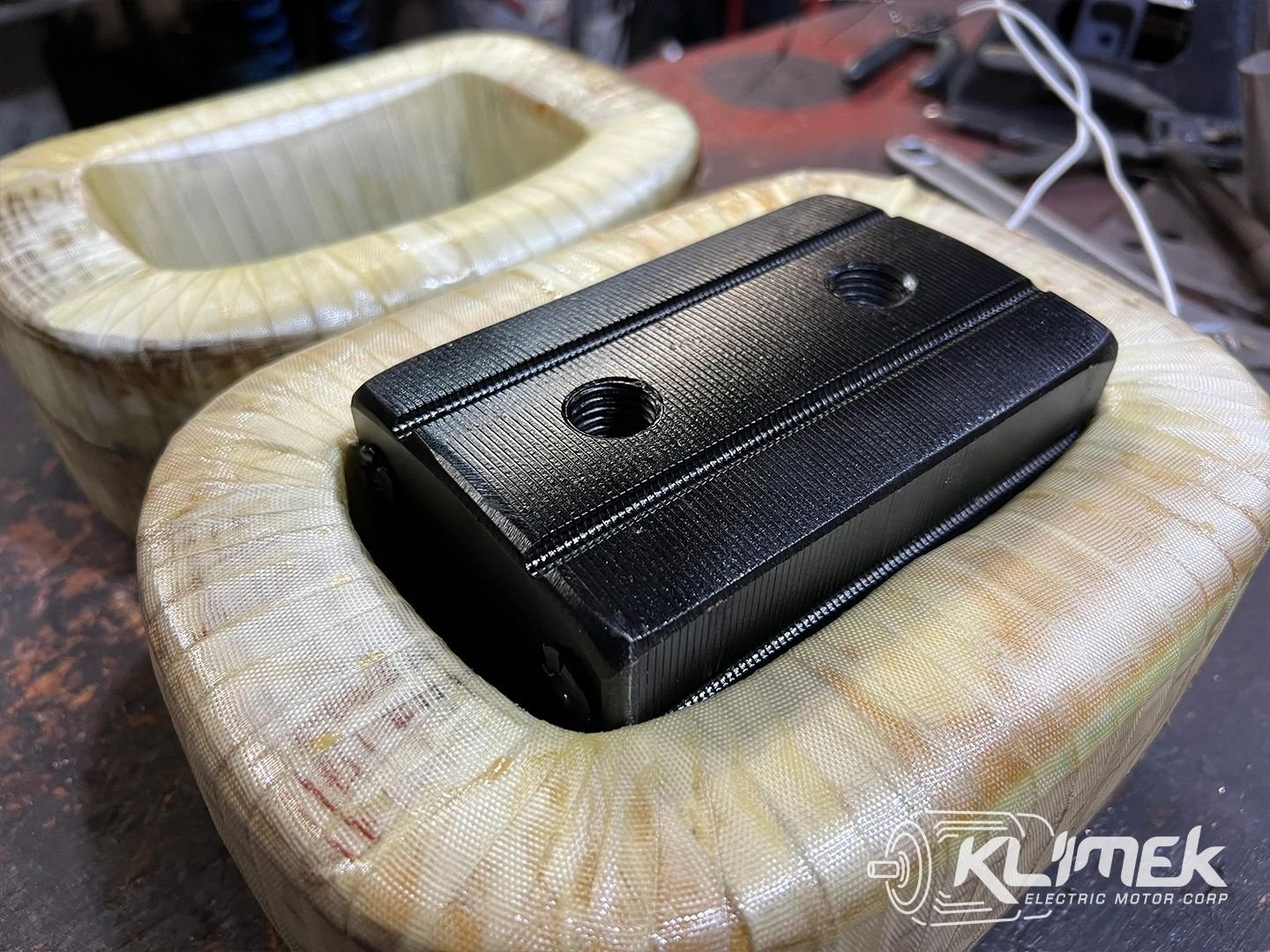
Depending on the extent of damage, field coils may be rebuilt or replaced. Rebuilding involves stripping the damaged insulation, repairing the windings, and rewinding the coils with fresh insulation and wire. If the coils are beyond repair, new coils are manufactured to match the generator's specifications.
Insulation and Varnish:
After rewinding or replacement, the coils are carefully insulated to prevent electrical leakage and shorts. Insulation materials like mica or resin are applied between the windings and over the coils' surface. Varnish is often used to seal and protect the coils.
Reassembly:
Once the field coils are prepared, they are reinstalled in the generator's stator. Proper alignment and spacing are crucial to ensure the magnetic field functions correctly.
Testing:
After reassembly, the DC generator undergoes rigorous testing to ensure that the rewound field coils function as expected. Tests may include checks for insulation resistance, voltage regulation, and load performance.
Final Adjustments:
Depending on the test results, final adjustments may be made to optimize the generator's performance, including fine-tuning the voltage and current output.
Field coil rewind is a crucial maintenance process for DC generators, ensuring their continued reliability and performance. By addressing issues related to coil damage and insulation degradation, this process extends the generator's lifespan and prevents costly downtime. Regular inspections and timely field coil rewinds help maintain the efficiency and functionality of DC generators, allowing them to provide consistent electrical power for various applications.