Electric motors are the beating heart of countless industrial and commercial applications, driving everything from manufacturing machinery to household appliances. Ensuring the longevity and efficiency of these motors is paramount for uninterrupted operations. One essential tool in achieving this goal is insulating varnish. In this article, we'll delve into the world of insulating varnish, its role in protecting electric motors, and the benefits it offers.
Understanding Insulating Varnish
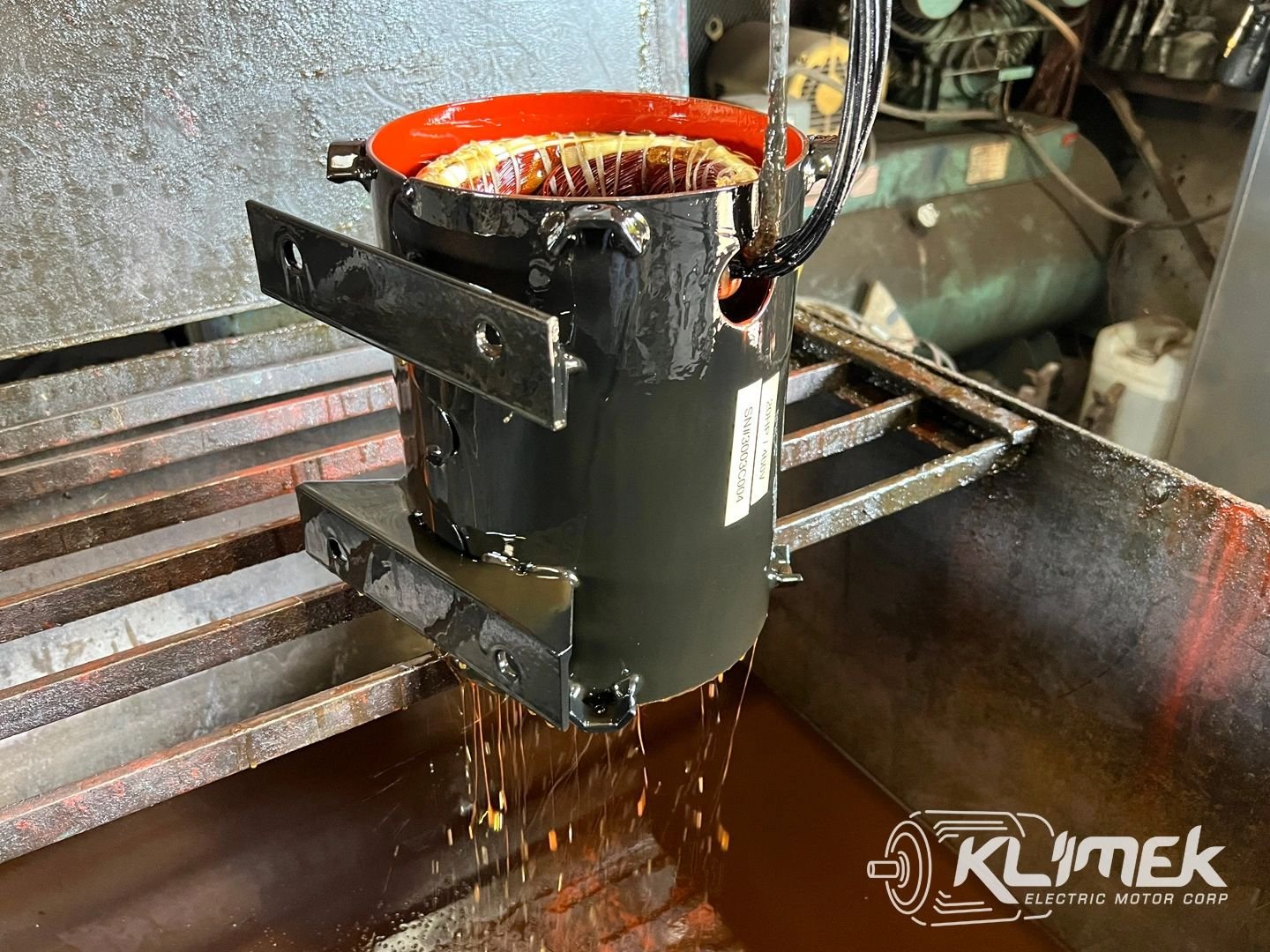
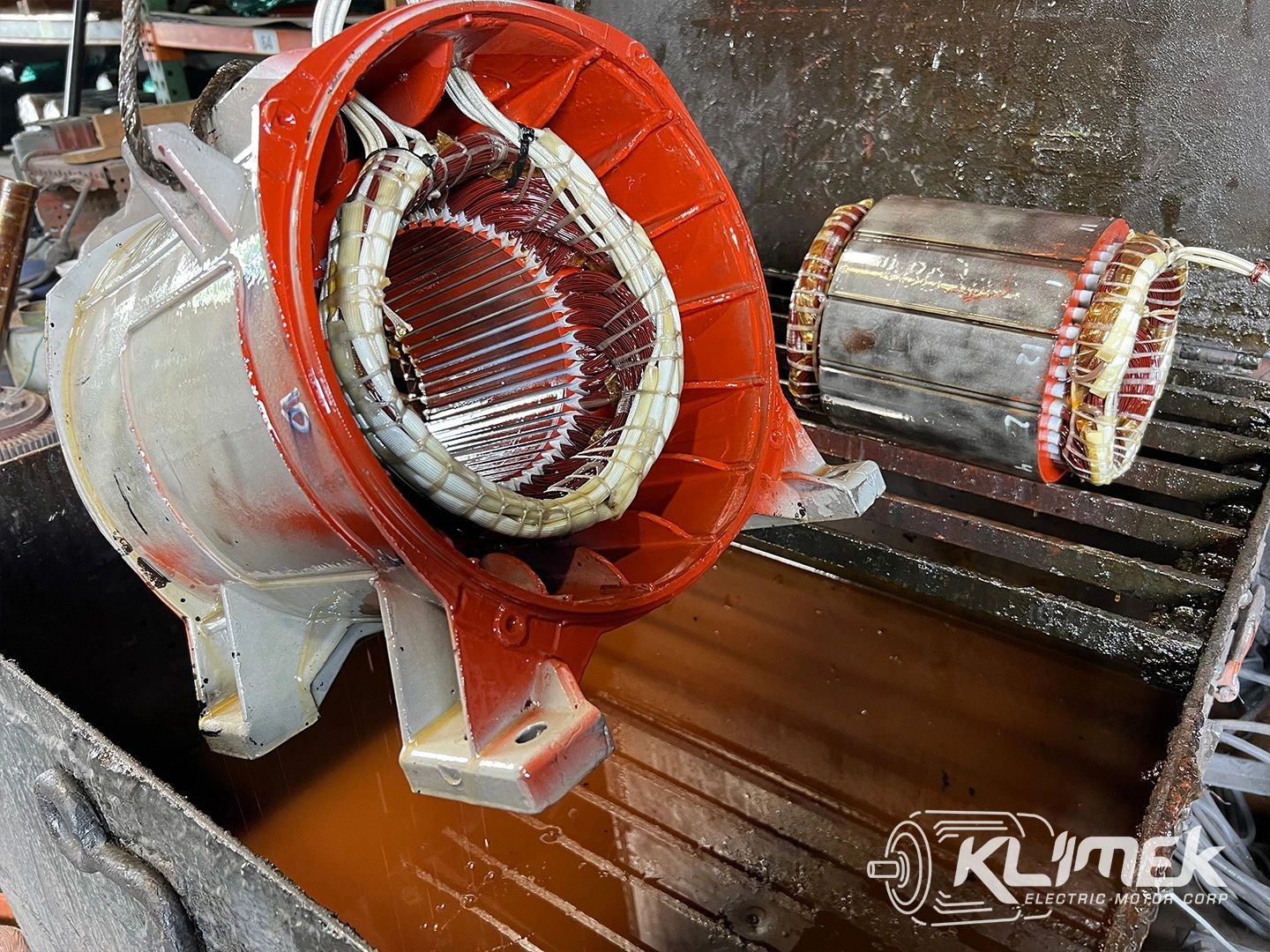
Insulating varnish, also known as motor winding varnish or enamel, is a protective coating applied to the windings, coils, and other exposed components of electric motors. This specialized varnish serves multiple critical purposes:
Electrical Insulation: Insulating varnish provides a high dielectric strength barrier that prevents electrical current from jumping between windings, coils, and other conductive parts. This insulation helps avoid short circuits and breakdowns caused by electrical arcing.
Moisture and Chemical Resistance: Electric motors may be exposed to varying environmental conditions, including humidity and chemicals. Insulating varnish forms a protective barrier that shields motor components from moisture, dust, chemicals, and contaminants that can compromise performance and lead to corrosion.
Thermal Protection: Motors generate heat during operation. Insulating varnish enhances the motor's ability to dissipate heat effectively, reducing the risk of overheating and maintaining efficient performance.
Vibration Dampening: Motors often experience mechanical vibrations that can stress components and lead to premature wear. Insulating varnish helps dampen these vibrations, contributing to the motor's longevity.
Benefits of Using Insulating Varnish
Enhanced Lifespan: Applying insulating varnish significantly extends the operational life of electric motors by protecting them from internal and external factors that contribute to wear and breakdowns.
Reduced Downtime: Well-protected motors are less prone to failures, leading to reduced downtime and increased productivity. Regular maintenance becomes more efficient as varnished components are easier to clean and inspect.
Improved Efficiency: By maintaining proper insulation and heat dissipation, insulating varnish contributes to optimal motor efficiency, translating into energy savings and cost reduction.
Customization: Insulating varnishes come in various formulations to meet the specific needs of different motors and industries. This versatility ensures the best protection for each application.
Application and Maintenance
Applying insulating varnish requires precision and expertise. Here's a brief overview of the process:
Surface Preparation: Clean the motor components thoroughly to remove dirt, grease, and contaminants. Proper surface preparation ensures optimal adhesion of the varnish.
Coating Application: Apply the insulating varnish evenly using methods like dipping, spraying, or brushing. Follow the manufacturer's recommendations for proper curing times.
Curing: Allow the varnish to cure according to the manufacturer's instructions. This process ensures that the varnish forms a durable and effective protective layer.
Conclusion
Insulating varnish is a key player in safeguarding the performance and longevity of electric motors. Its role in providing electrical insulation, moisture resistance, thermal protection, and more makes it an indispensable tool for various industries. By incorporating insulating varnish into maintenance and protection strategies, organizations can ensure reliable and efficient motor operation, reducing downtime, and optimizing productivity.