Insulating varnish is a valuable tool for protecting electric motors from electrical, environmental, and mechanical stressors. Proper application ensures the longevity and performance of the motor. Here's a concise guide on how to effectively use varnish for electric motor protection:
1. Preparing the Motor:
Clean the motor's components thoroughly to remove dirt, dust, and contaminants. Use a degreaser if necessary.
Ensure the motor is completely dry before applying varnish. Moisture can compromise the adhesion and effectiveness of the varnish.
2. Choosing the Right Varnish:
Select a varnish suitable for the motor's operating environment and insulation class. Refer to the manufacturer's guidelines for recommendations.
Consider factors like temperature resistance, chemical resistance, and application method compatibility.
3. Application Methods:
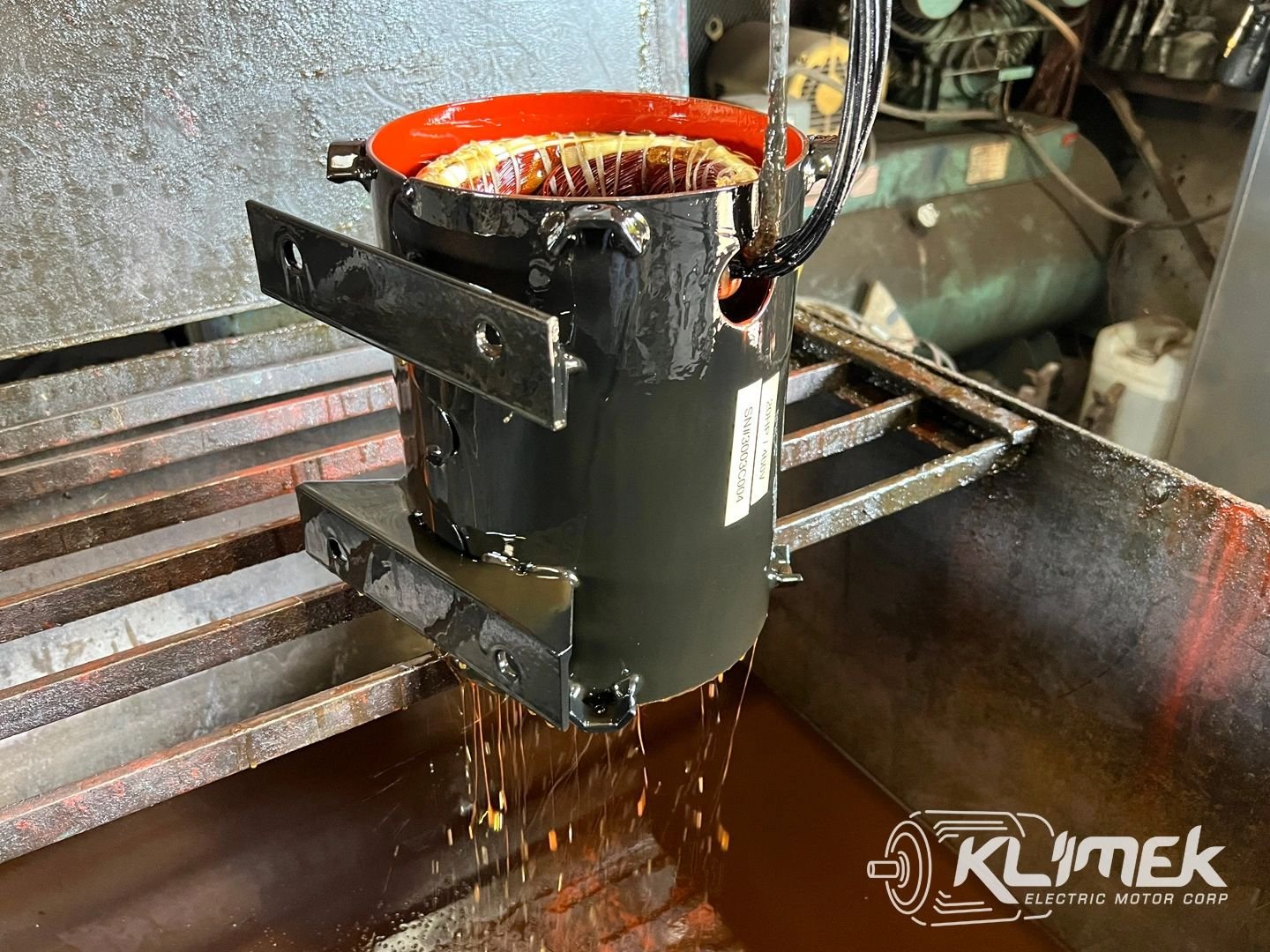
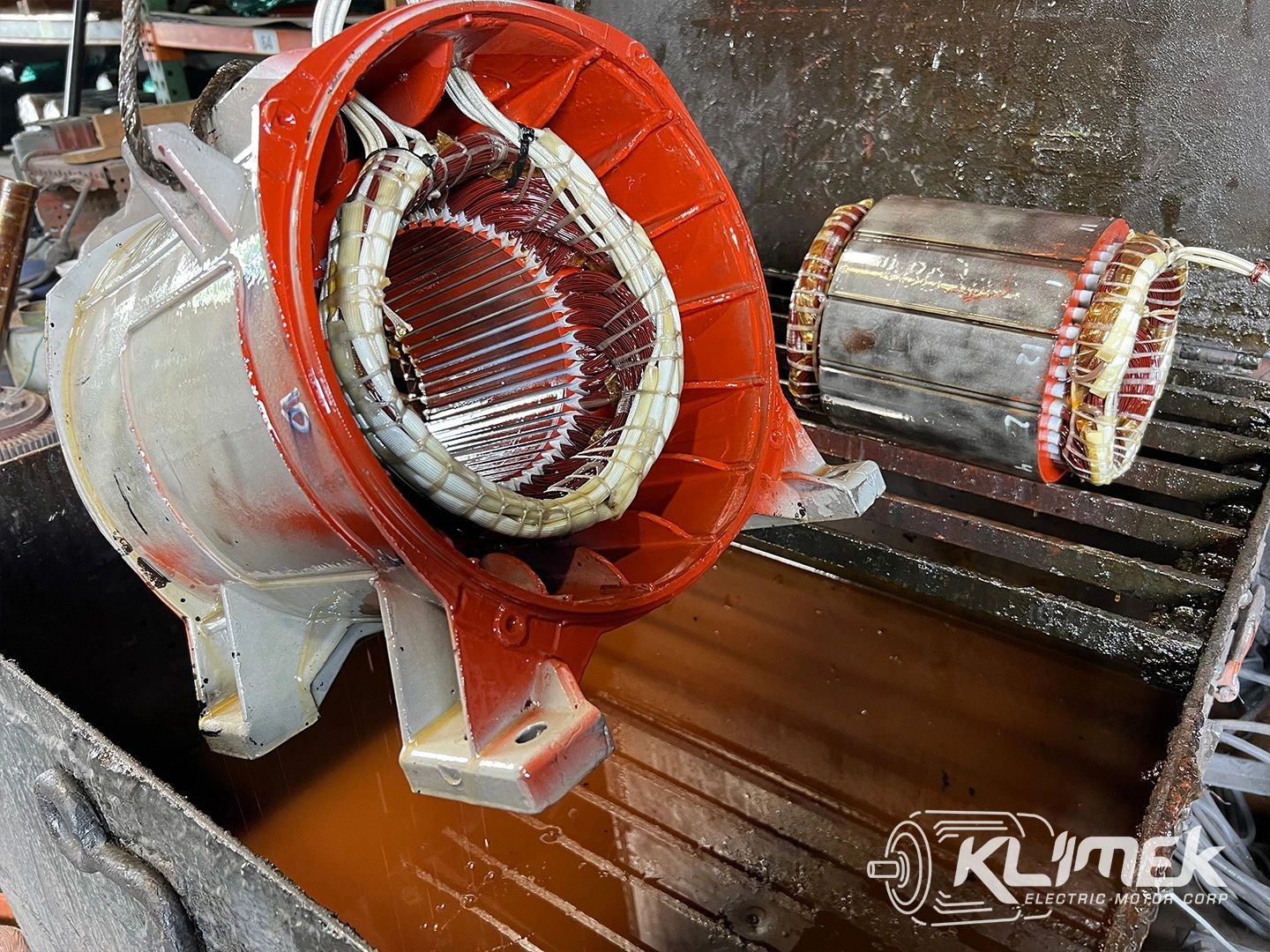
Dipping: Immerse motor windings or components in the varnish until they are completely coated. Slowly remove them and allow excess varnish to drain.
Spraying: Use an airbrush or spray gun to evenly coat the motor's surfaces with varnish. Maintain a consistent distance and ensure proper coverage.
Brushing: Apply varnish with a brush, ensuring even coverage and avoiding excessive buildup.
4. Applying the Varnish:
Stir the varnish thoroughly before application to ensure consistent viscosity.
Apply a thin, even coat to prevent excessive buildup that could lead to uneven drying.
Pay extra attention to the winding ends, coil connections, and other critical areas prone to stress.
5. Curing and Drying:
Follow the manufacturer's recommended curing time and temperature guidelines. Curing times can vary based on the varnish type and application method.
Maintain proper ventilation during the curing process to facilitate evaporation of solvents.
6. Post-Application Inspection:
Once the varnish has cured, inspect the motor's surfaces for even coverage and any signs of irregularities.
Ensure there are no drips, runs, or areas with insufficient coverage.
7. Final Testing:
Conduct electrical tests, including insulation resistance tests, to ensure that the varnish has effectively insulated the motor windings.
Check for any changes in the motor's performance, including unusual noise or excessive heat buildup.
8. Maintenance and Reapplication:
Regularly inspect the varnished motor for signs of wear, damage, or contamination. Perform touch-ups or reapplications as needed.
Follow a maintenance schedule to ensure continuous protection and optimal motor performance.
Conclusion:Using varnish for electric motor protection is a straightforward process when you follow these steps. Proper application ensures that the motor is shielded from electrical and environmental stressors, contributing to its longevity and efficient operation. By adhering to these guidelines, you can maximize the benefits of varnish in maintaining the performance and reliability of your electric motors.