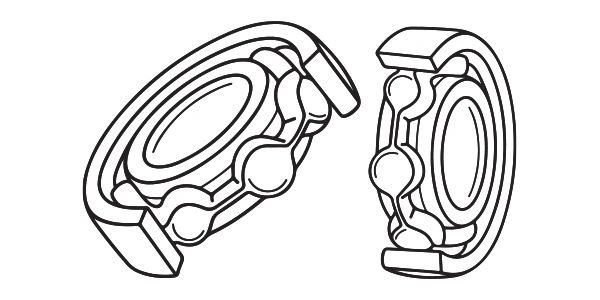
Bearings are crucial components in various mechanical systems, responsible for facilitating rotational or linear movement while minimizing friction and wear. They are found in everything from industrial machinery and automotive engines to household appliances. Ensuring the proper functioning of bearings is essential to maintaining the efficiency and longevity of these systems. Regular bearing inspection plays a pivotal role in identifying potential issues before they escalate into costly breakdowns or failures. In this article, we delve into the importance of bearing inspection, the methods involved, and the benefits it offers to industries and consumers alike.
The Significance of Bearing Inspection
Bearing failure can lead to severe consequences, including unplanned downtime, reduced productivity, increased maintenance costs, and in some cases, safety hazards. By conducting routine bearing inspections, organizations can detect early signs of wear, contamination, misalignment, and lubrication problems. Addressing these issues promptly through maintenance or replacement can prevent catastrophic failures and extend the operational life of the equipment.
Methods of Bearing Inspection
Visual Inspection: The first step in bearing inspection is a visual examination. Inspectors look for signs of damage, such as rust, discoloration, chipping, or visible wear patterns. Any anomalies can indicate problems with the bearing's load distribution, lubrication, or environmental conditions.
Vibration Analysis: Vibration analysis is a non-intrusive method that detects abnormal vibrations in bearings. Excessive vibration can indicate misalignment, imbalance, or deterioration within the bearing. Advanced sensors and analysis tools help in diagnosing these issues accurately.
Temperature Monitoring: Monitoring the operating temperature of bearings is essential. Higher temperatures than usual could indicate inadequate lubrication, excessive friction, or overloading. Regular temperature checks can help predict potential failures.
Lubrication Evaluation: Proper lubrication is critical for bearing performance. Inspectors check for the presence and condition of lubricants. Inadequate or contaminated lubrication can result in increased friction and premature wear.
Ultrasonic Testing: Ultrasonic testing can identify defects or anomalies within bearings by analyzing high-frequency sound waves. This technique can detect issues like lack of lubrication, early-stage cracks, and debris buildup.
Disassembly Inspection: For a more comprehensive analysis, bearings can be disassembled and examined for wear, pitting, and other signs of damage. This method provides insights into the root causes of issues and allows for targeted maintenance.
Benefits of Bearing Inspection
Cost Savings: Regular bearing inspection helps prevent major failures, reducing downtime and the need for costly emergency repairs. It's more cost-effective to replace or repair bearings during scheduled maintenance rather than waiting for them to fail.
Increased Reliability: Well-maintained bearings contribute to enhanced system reliability and longevity. This is especially critical in industries where continuous operations are essential.
Safety Enhancement: Bearings in critical machinery, such as those in aerospace or medical devices, are often subject to rigorous safety standards. Proper inspection ensures these standards are met, minimizing the risk of accidents or failures.
Improved Performance: Bearings operating at their optimal condition contribute to improved equipment performance, energy efficiency, and reduced wear on other components.
Data-Driven Maintenance: Bearing inspections generate valuable data about equipment health. This data can be analyzed to identify trends, allowing organizations to make informed decisions about maintenance schedules and improvements.
Conclusion
Bearing inspection is a fundamental aspect of maintaining the efficiency, safety, and reliability of mechanical systems across various industries. By adopting a proactive approach to identifying and addressing potential bearing issues, organizations can avoid costly downtime, enhance performance, and extend the operational life of their equipment. Incorporating a combination of visual inspection, advanced testing methods, and data analysis ensures that bearings continue to play their crucial role in enabling smooth operations.