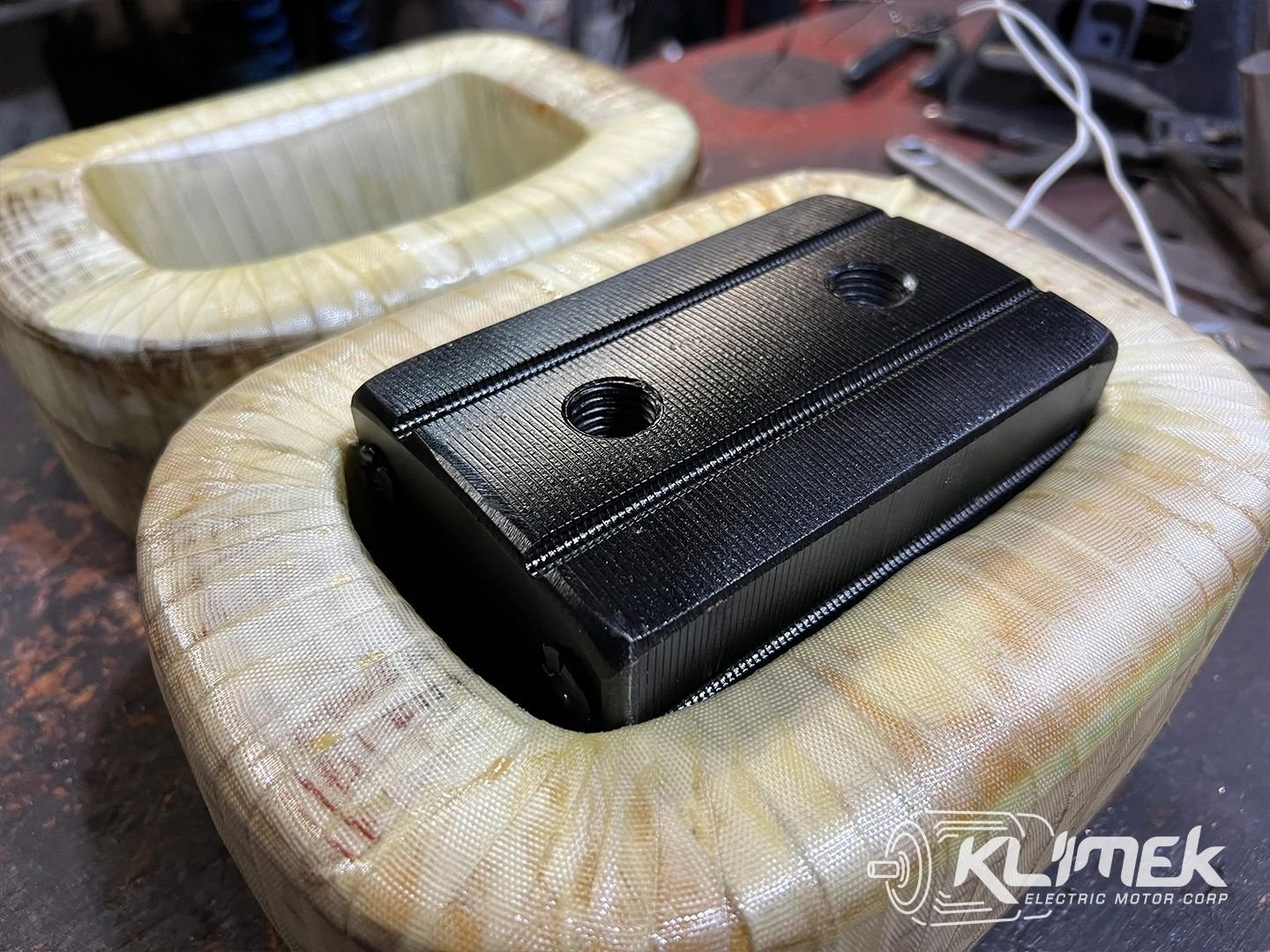
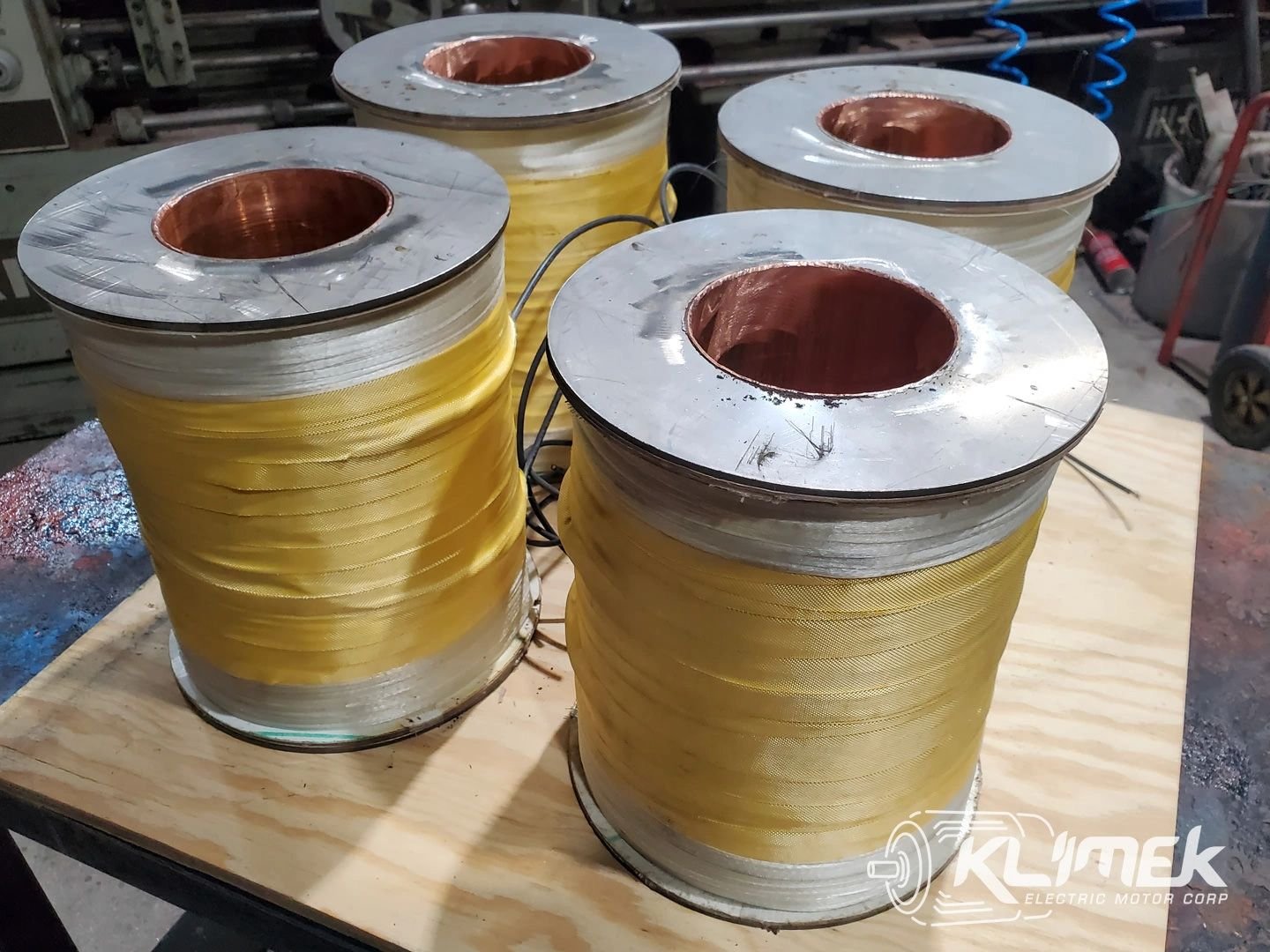
Elevator brake coils are vital components in the functionality and safety of modern elevator systems. These coils, integrated into the braking mechanism, ensure that elevators can stop and hold precisely, safeguarding passengers and providing reliable service. When an elevator needs to come to a halt, the brake coil plays a pivotal role by engaging the braking system. Upon activation, an electrical current flows through the brake coil, creating a magnetic field that allows the brake to disengage and the elevator to move or stop as required.
Understanding Brake Coil Malfunctions
Despite their robust design, elevator brake coils can experience failures due to various factors. Recognizing these issues early is crucial for maintaining elevator safety and functionality.
Electrical Supply Issues:
Elevator brake coils are sensitive to voltage variations. If the supplied voltage exceeds the coil’s rated capacity, it can lead to overheating and failure. Additionally, incorrect voltage types or significant voltage drops can cause malfunctions.
Wiring and Installation Problems:
The integrity of the wiring is critical. Poorly installed or damaged lead wires can interfere with the coil's operation, causing shorts or disconnections. Ensuring proper grounding and protective sleeving can mitigate these risks.
Environmental and Operational Stress:
Elevators operating beyond the brake coil’s designed cycle rate or in high ambient temperatures can face coil degradation. Excessive operational demands or harsh environmental conditions can accelerate wear and tear.
Component Wear:
Over time, mechanical components associated with the brake coil, such as solenoids and springs, may wear out. Regular usage can lead to material fatigue, requiring timely replacement of worn parts to maintain system integrity.
Air Gap Misalignment:
The air gap between the magnetic components must be set correctly. An improper air gap can prevent the magnetic field from effectively engaging or releasing the brake, leading to performance issues. Once correctly set, the air gap typically remains stable, but it must be initially adjusted with precision.
Maintaining Elevator Brake Coils
To ensure the longevity and reliability of elevator brake coils, regular maintenance and proactive checks are essential. Here are some best practices:
By adhering to these practices, building managers and maintenance teams can ensure that elevator brake coils continue to function effectively, providing safe and reliable service to all users. Investing in regular maintenance and addressing potential issues promptly not only enhances safety but also reduces the likelihood of costly repairs and downtime, ensuring the smooth operation of elevator systems.