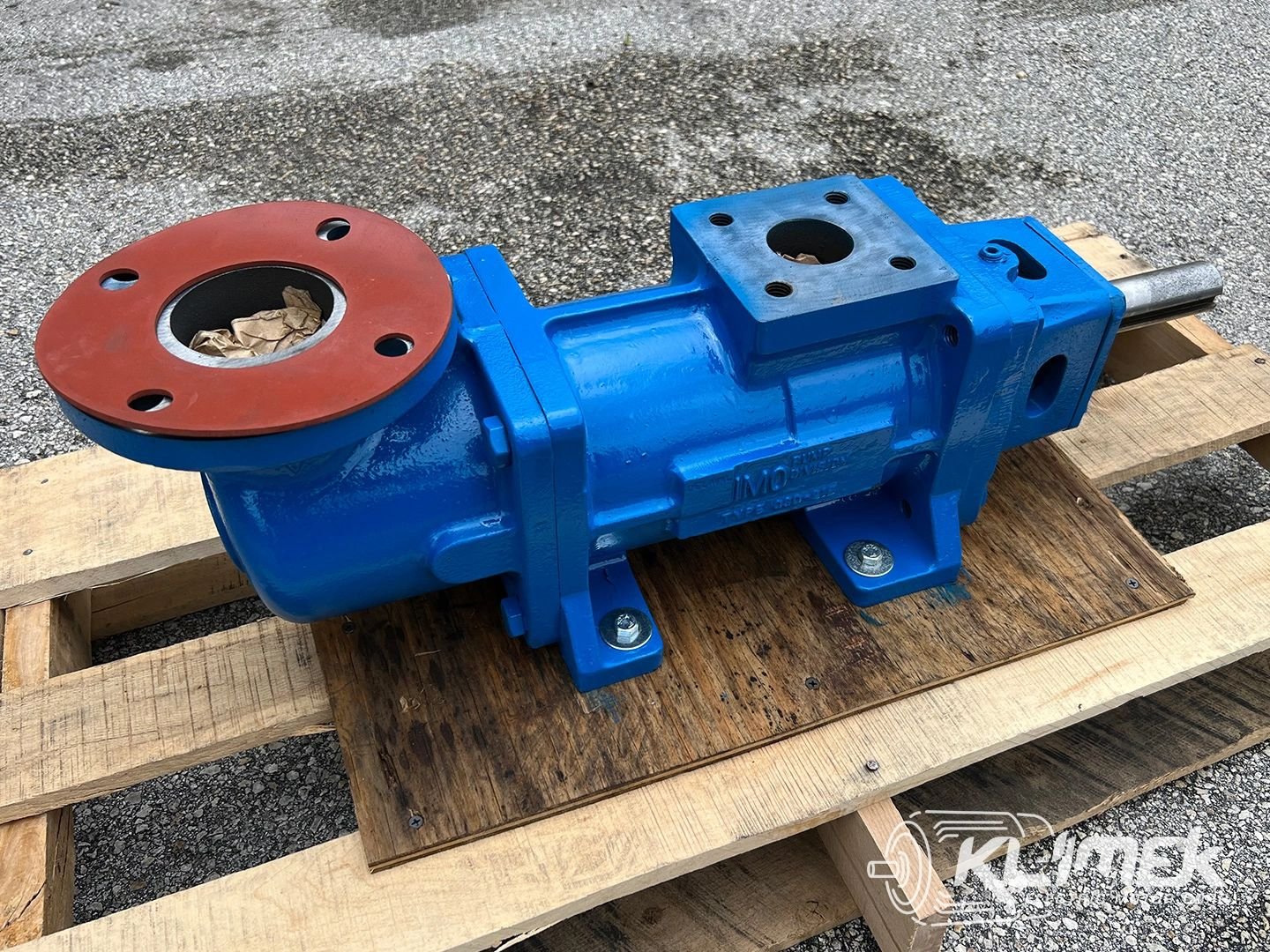
An IMO pump, also known as a screw pump or progressive cavity pump, is a type of positive displacement pump that operates using a rotating screw-like rotor inside a stationary stator. The main components of an IMO pump include:
Rotor: The rotor is a helical screw-like element that rotates within the pump. It's typically made of metal and has one or more threads. As the rotor turns, it engages with the stator, creating cavities that trap and transport fluid from the inlet to the outlet.
Stator: The stator is a stationary component with a complementary helical shape that surrounds the rotor. It's usually made of elastomers, such as rubber or synthetic polymers. The stator's geometry creates a series of chambers that change in size as the rotor rotates, contributing to the pumping action.
Cavity: The space between the rotor and stator forms cavities that move fluid through the pump. These cavities expand and contract as the rotor turns, creating a positive displacement effect that pushes fluid from the inlet to the outlet.
Inlet and Outlet Ports: The pump has dedicated ports for fluid intake (inlet) and fluid discharge (outlet). The inlet allows fluid to enter the cavities, while the outlet expels the fluid as the cavities move along the stator.
Sealing Mechanism: The rotor and stator must maintain a tight seal to prevent fluid leakage. Seals or gaskets are often used to ensure that fluid flows through the cavities without bypassing the pumping mechanism.
Drive System: The pump requires a drive system to rotate the rotor. This can be an electric motor, hydraulic system, or other power source, depending on the application.
Bearings: Bearings support the rotor's rotation and help reduce friction and wear. Proper bearing maintenance is essential for the pump's longevity and performance.
Housing or Casing: The pump is enclosed in a housing or casing that protects the internal components from external elements and provides a structure for mounting the pump in the system.
Coupling or Connection: Depending on the pump's design, there may be couplings, adapters, or connectors that link the pump to the drive system and the rest of the fluid handling system.
Control and Monitoring Devices: In some cases, pumps may have control and monitoring devices to manage speed, flow rate, and other parameters. These devices ensure that the pump operates efficiently and safely.
These main components work in tandem to create the unique pumping action of an IMO pump, making it suitable for various applications, including fluid transfer, dosing, and viscous material handling.